Water Leak Detection in Denver, CO
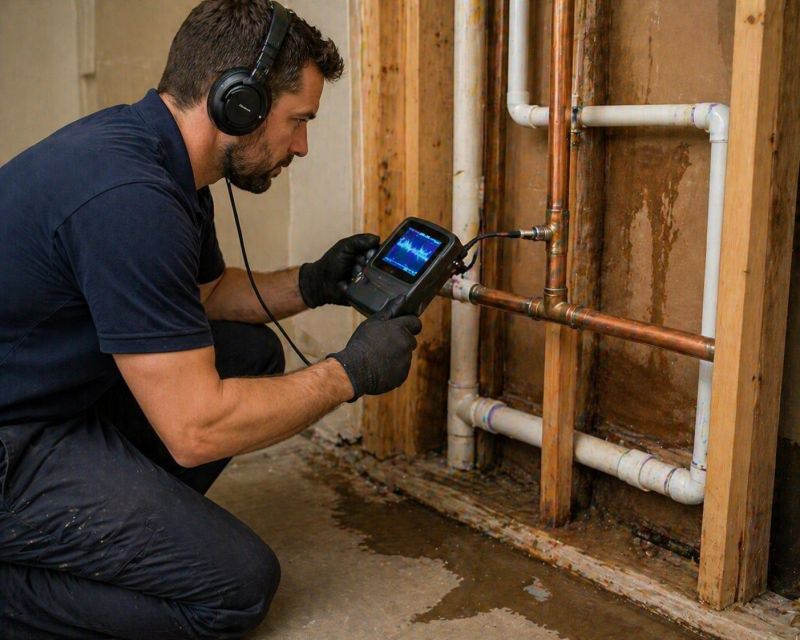
Water leak detection services involve identifying the source of leaks within plumbing systems, walls, floors, or underground pipes. These services are essential for addressing issues such as unexplained increases in water bills, damp spots on walls or ceilings, or the presence of mold and mildew. Projects may include locating leaks behind walls, under slabs, or within underground lines, helping property owners understand the exact location of a leak to facilitate targeted repairs and prevent further damage.
Homeowners typically want to know what signs indicate a potential leak, the types of detection methods used, and how the process can minimize property disruption. Before requesting leak detection, property owners should consider the areas of concern, any recent plumbing changes, and whether there are visible signs of water intrusion. Clear information about the scope of the problem helps ensure the detection process is efficient and effective in resolving water leaks promptly.
Many property owners in Denver, CO look into Water Leak Detection for repairs, replacements, upgrades, and appearance-related improvements.
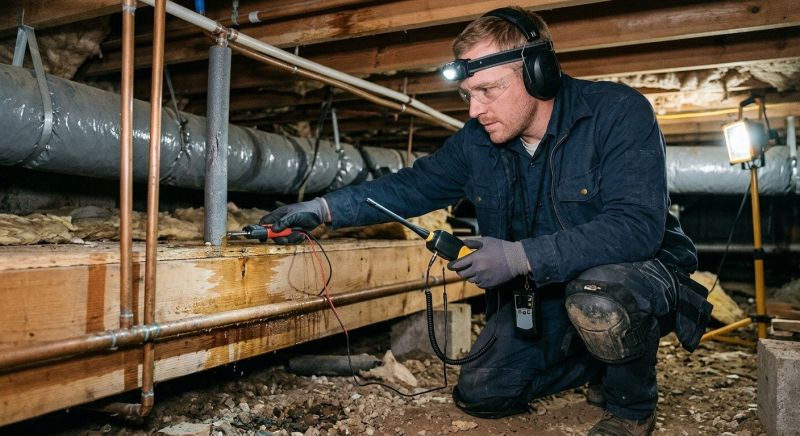
Identifying Hidden Leaks
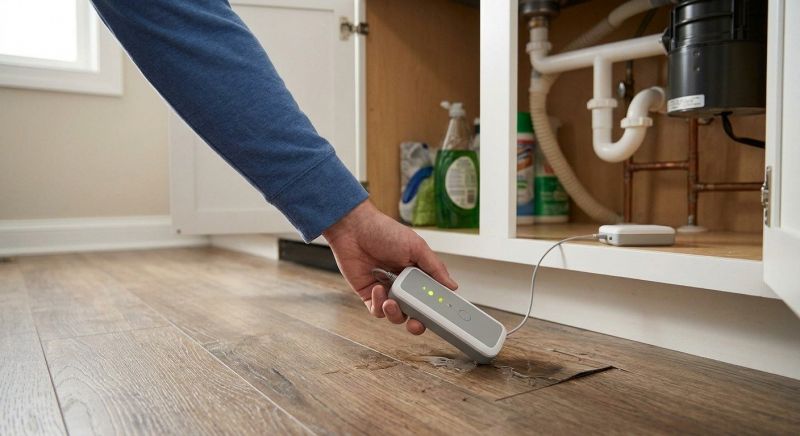
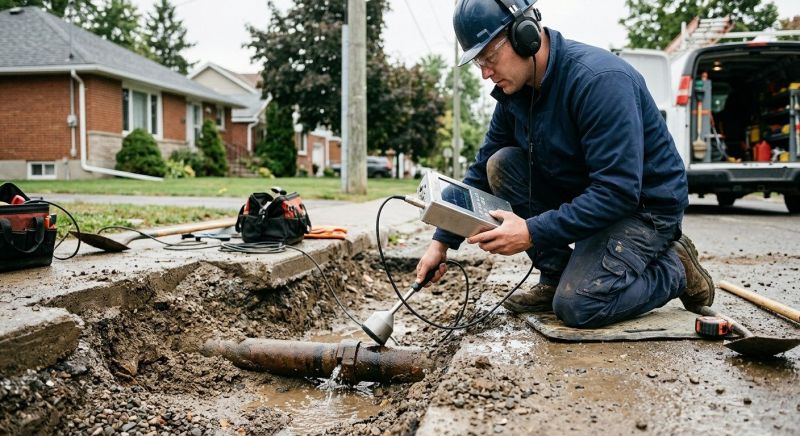
Advanced detection methods locate leaks behind walls and under floors without extensive damage.
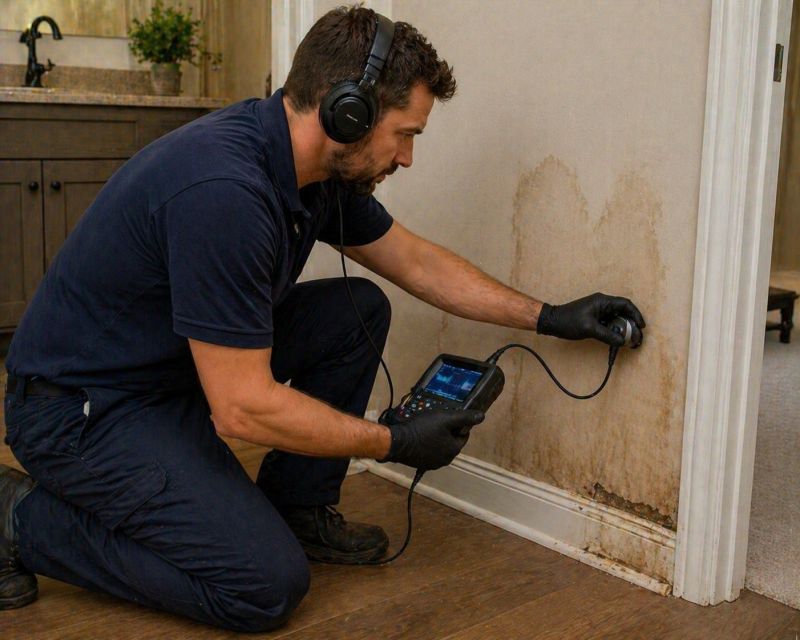
Preventing Water Damage
Early detection helps protect your property from costly repairs caused by undetected leaks.
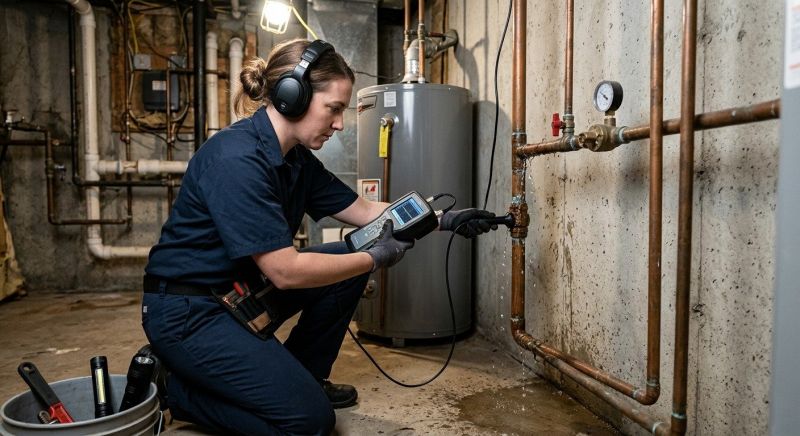
Leak Detection Technologies
Modern tools like acoustic sensors and thermal imaging quickly find leaks in residential and commercial spaces near denver.
Water Leak Detection in Denver, CO
Water leak detection services involve identifying the source of leaks within plumbing systems, walls, floors, or underground pipes. These services are essential for addressing issues such as unexplained increases in water bills, damp spots on walls or ceilings, or the presence of mold and mildew. Projects may include locating leaks behind walls, under slabs, or within underground lines, helping property owners understand the exact location of a leak to facilitate targeted repairs and prevent further damage.
Homeowners typically want to know what signs indicate a potential leak, the types of detection methods used, and how the process can minimize property disruption. Before requesting leak detection, property owners should consider the areas of concern, any recent plumbing changes, and whether there are visible signs of water intrusion. Clear information about the scope of the problem helps ensure the detection process is efficient and effective in resolving water leaks promptly.
Many property owners in Denver, CO look into Water Leak Detection for repairs, replacements, upgrades, and appearance-related improvements.
Common Water Leak Detection Jobs
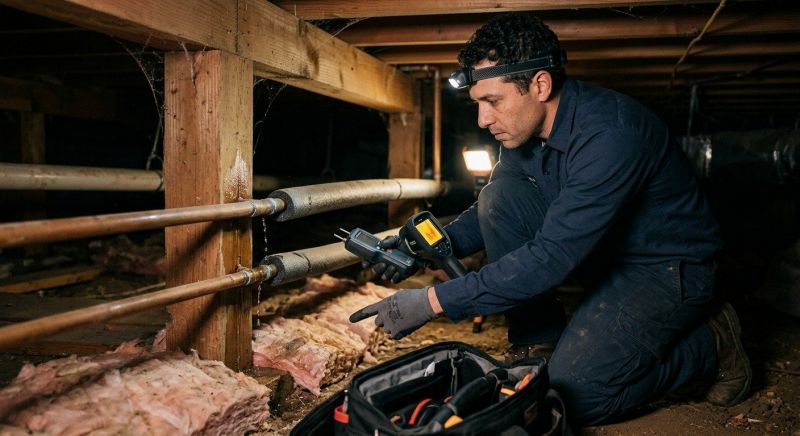
Pipe Inspection - pinpoint hidden leaks within plumbing systems using advanced detection tools.
Floor and Wall Leak Detection - identify leaks behind walls and beneath flooring without invasive damage.
Sewer Line Leak Detection - locate leaks or blockages in underground sewer lines to prevent backups.
Water Meter Testing - monitor water usage to detect unusual activity indicating a leak.
Underground Leak Detection - find leaks in buried pipes that are difficult to see or access.
Leak Detection Consultations - assess property for potential leak risks and recommend appropriate solutions.

Water Leak Detection Questions
How can water leak detection help homeowners? It identifies hidden leaks that can cause water damage, mold growth, and increased utility bills.
What types of leaks can be detected? Leaks in plumbing, underground pipes, slab foundations, and within walls can all be identified with proper detection methods.
Why is early leak detection important? Detecting leaks early prevents extensive damage, reduces repair costs, and conserves water resources.
What signs indicate a possible water leak? Signs include unexplained increases in water bills, damp spots, mold growth, or a persistent sound of running water.
Request Water Leak Detection in Denver, CO
Use the quote form on this page to share the basics of your project and request more information for the type of work you need.